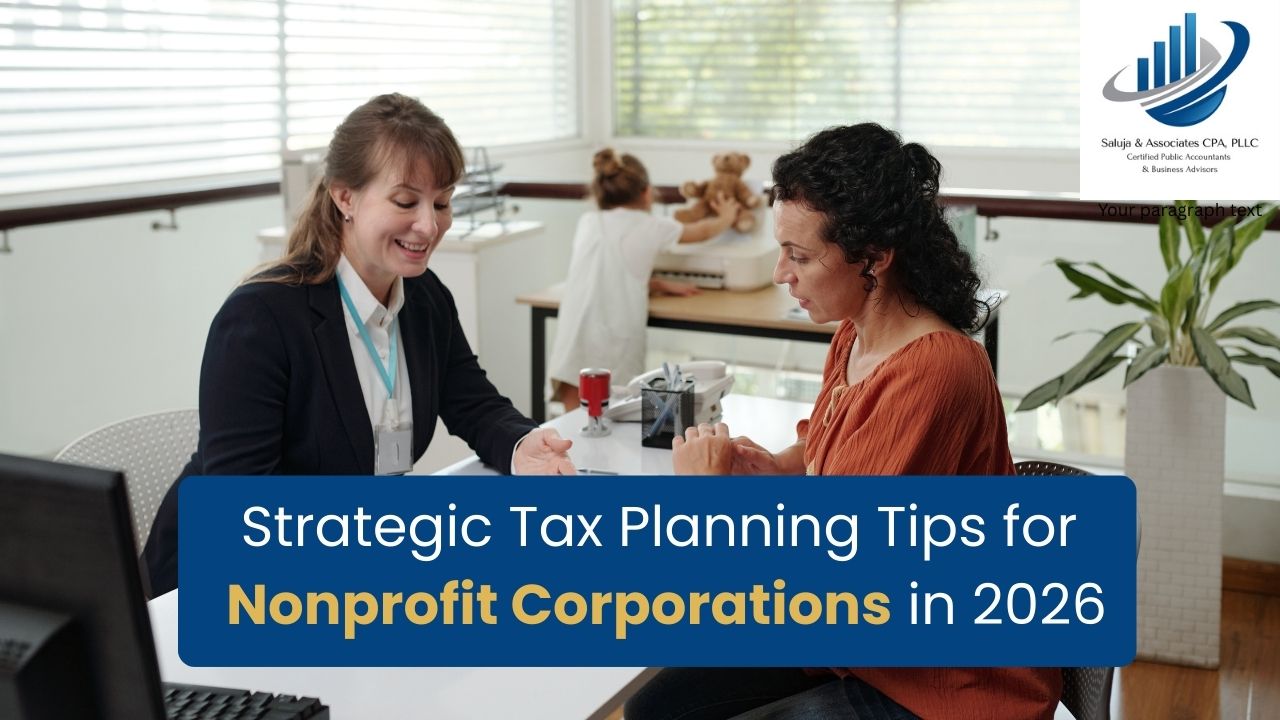
Nonprofit corporations operate in a unique financial environment where maintaining tax-exempt status is just as important as managing funding and operations. While many organizations focus only on compliance, strategic tax planning is what separates stable nonprofits from those that struggle with audits, penalties, or funding gaps.
In 2026, evolving IRS scrutiny and reporting requirements make proactive tax planning essential not optional.
Why Tax Planning Matters for Nonprofit Corporations
Many nonprofits assume that tax-exempt status eliminates tax concerns. In reality, poor planning can lead to:
- Unrelated Business Income Tax (UBIT) liabilities
- Loss of tax-exempt status
- IRS penalties for non-compliance
- Reduced donor confidence
Strategic planning ensures your organization not only stays compliant but also maximizes available resources.
1. Separate Tax-Exempt and Taxable Activities Clearly
One of the biggest risks for nonprofits is failing to distinguish between mission-related and unrelated income.
Key Strategy:
- Maintain separate accounting records for:
- Charitable activities (tax-exempt)
- Business activities (potentially taxable)
Why It Matters:
Improper classification can trigger UBIT and increase audit risk.
2. Proactively Plan for Unrelated Business Income (UBI)
If your nonprofit generates income from activities outside its mission, that income may be taxable.
Smart Planning Tips:
- Evaluate activities annually for UBI exposure
- Restructure revenue streams to align with your mission
- Consider forming a taxable subsidiary if needed
This is where a nonprofit CPA adds significant value.
3. Optimize IRS Form 990 Reporting
Your Form 990 is more than a compliance document, it’s a public financial statement reviewed by donors, grantors, and regulators.
Strategic Approach:
- Ensure accurate categorization of revenue and expenses
- Highlight program efficiency and impact
- Avoid inconsistencies that trigger IRS scrutiny
A well-prepared 990 strengthens credibility and funding opportunities.
4. Stay Ahead of Filing Deadlines & Compliance
Missing filings is one of the fastest ways to lose tax-exempt status.
2026 Best Practices:
- Set internal compliance calendars
- Conduct quarterly financial reviews
- Work with a CPA for nonprofit organizations to ensure timely filings
Remember: Failure to file Form 990 for three consecutive years = automatic revocation.
5. Maximize State and Local Tax Exemptions
Many nonprofits overlook valuable exemptions at the state and local level.
Opportunities Include:
- Property tax exemptions
- Sales tax exemptions
- State-specific nonprofit benefits
Proper planning ensures you’re not leaving money on the table.
6. Use Tax Planning to Improve Cash Flow
Tax strategy isn’t just about compliance it directly impacts your financial health.
Examples:
- Timing expenses and grant recognition strategically
- Managing restricted vs unrestricted funds
- Forecasting tax exposure from revenue activities
This is where fractional CFO services can significantly improve long-term sustainability.
7. Protect Your Tax-Exempt Status
Losing 501(c)(3) status can be financially devastating.
Risk Factors:
- Political activity violations
- Private benefit or inurement issues
- Incomplete or inaccurate filings
Prevention Strategy:
- Conduct annual compliance audits
- Maintain proper documentation
- Seek professional tax guidance
8. Work with a Nonprofit Tax Specialist
DIY tax management often leads to missed opportunities and compliance risks.
A specialized Nonprofit tax preparer can help with:
- Tax planning strategies
- IRS compliance
- Audit preparation
- Financial forecasting
Final Thoughts
Nonprofit corporations in 2026 must go beyond basic compliance and adopt strategic tax planning to remain sustainable and competitive.
By proactively managing tax exposure, optimizing reporting, and leveraging expert guidance, your organization can:
- Protect its tax-exempt status
- Increase funding opportunities
- Improve financial stability
Need Help with Nonprofit Tax Planning?
At Saluja & Associates CPA, we specialize in helping nonprofit organizations navigate complex tax regulations while maximizing financial efficiency. You can call us at 832-848-5155 or Contact us to learn more.
Frequently Asked Questions
UBIT is a tax applied to income generated from activities not related to a nonprofit’s primary mission. Proper tax planning helps identify, manage, or reduce UBIT exposure and ensures accurate reporting to the IRS.
Nonprofits can protect their status by filing Form 990 on time, maintaining accurate records, avoiding prohibited activities, and ensuring all operations align with their charitable purpose. Regular reviews with a CPA also help prevent compliance issues.
UBIT is a tax applied to income generated from activities not related to a nonprofit’s primary mission. Proper tax planning helps identify, manage, or reduce UBIT exposure and ensures accurate reporting to the IRS.
Nonprofits can protect their status by filing Form 990 on time, maintaining accurate records, avoiding prohibited activities, and ensuring all operations align with their charitable purpose. Regular reviews with a CPA also help prevent compliance issues.
A CPA provides expert guidance on tax compliance, financial strategy, and risk management. They help nonprofits optimize reporting, reduce tax exposure, and ensure long-term financial stability while meeting IRS requirements.